Is the bassoon hard to learn? What's tricky and how to start
Is the bassoon hard to play? What makes it demanding (the reed, the fingering, its size), what age to start at and how to take your first steps well.
- El Mundo Fagotero
- Published on
- 6 min read
In this article
The bassoon is demanding at first: it relies on a double reed that changes from one day to the next, it is played with all ten fingers (thumbs included) and it is a large instrument. But with a teacher, a suitable reed and regular practice it progresses like any other instrument, and there are smaller models for players who can’t yet reach the keys. This guide is for parents weighing up the bassoon as a first instrument, for beginners in their first year and for adults thinking of taking it up.
What makes the bassoon hard
The bassoon’s difficulties are specific and well known, and most of them are felt above all in the first few months.
The double reed
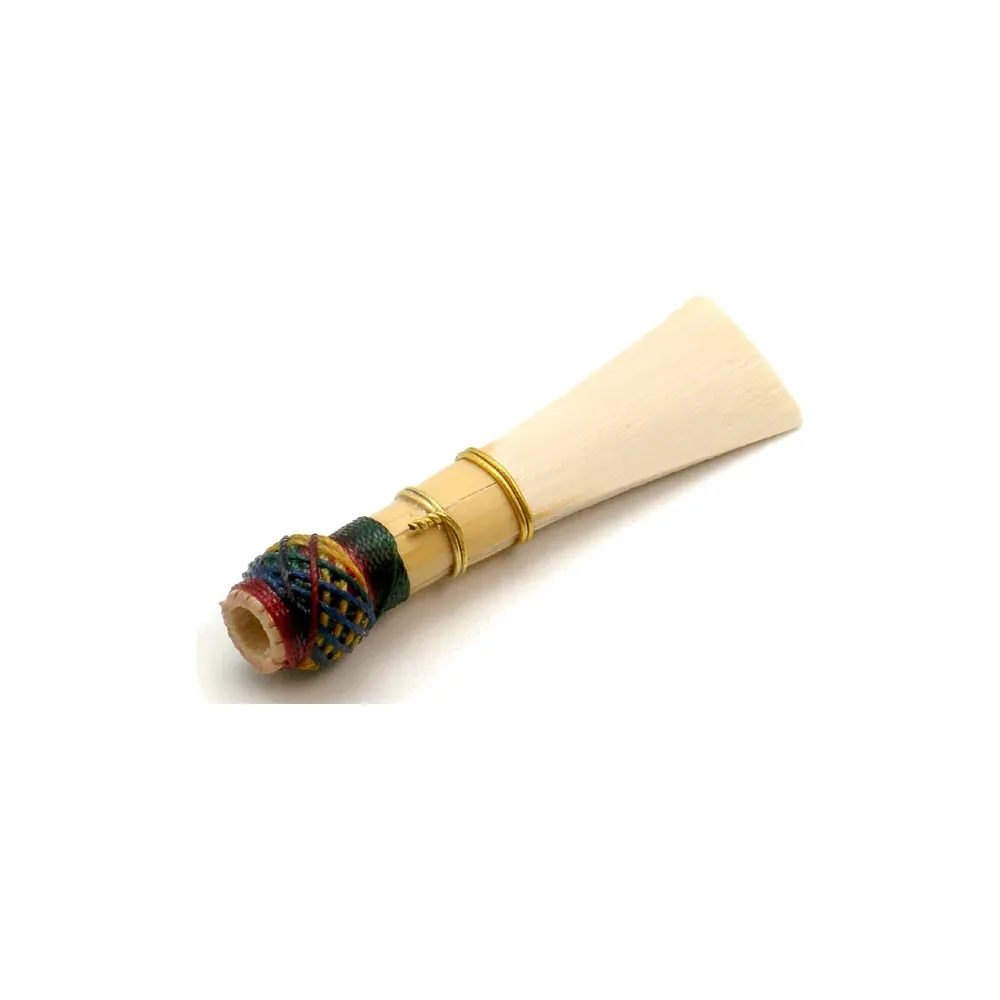
The bassoon’s sound starts at the reed: two blades of cane (Arundo donax) vibrating against each other. It is a small part, about 15 mm wide, and a very sensitive one: two reeds of the same model can respond differently, and the same reed changes with humidity, temperature and use.
That is why, at first, much of the difficulty lies not in the fingers but in getting the reed to sound steadily. Beginners usually play on bought reeds of soft strength, such as the student reed from the Beginner Pack, or on reeds adjusted by their teacher. Over the years, most bassoonists learn to scrape and make their own.
Ten fingers and two thumbs
A German-system (Heckel) bassoon has between 24 and 27 keys and 5 open finger holes. The left hand looks after some sixteen keys and the right hand some eleven, and a large share of that work falls to the thumbs, which barely move on other wind instruments.
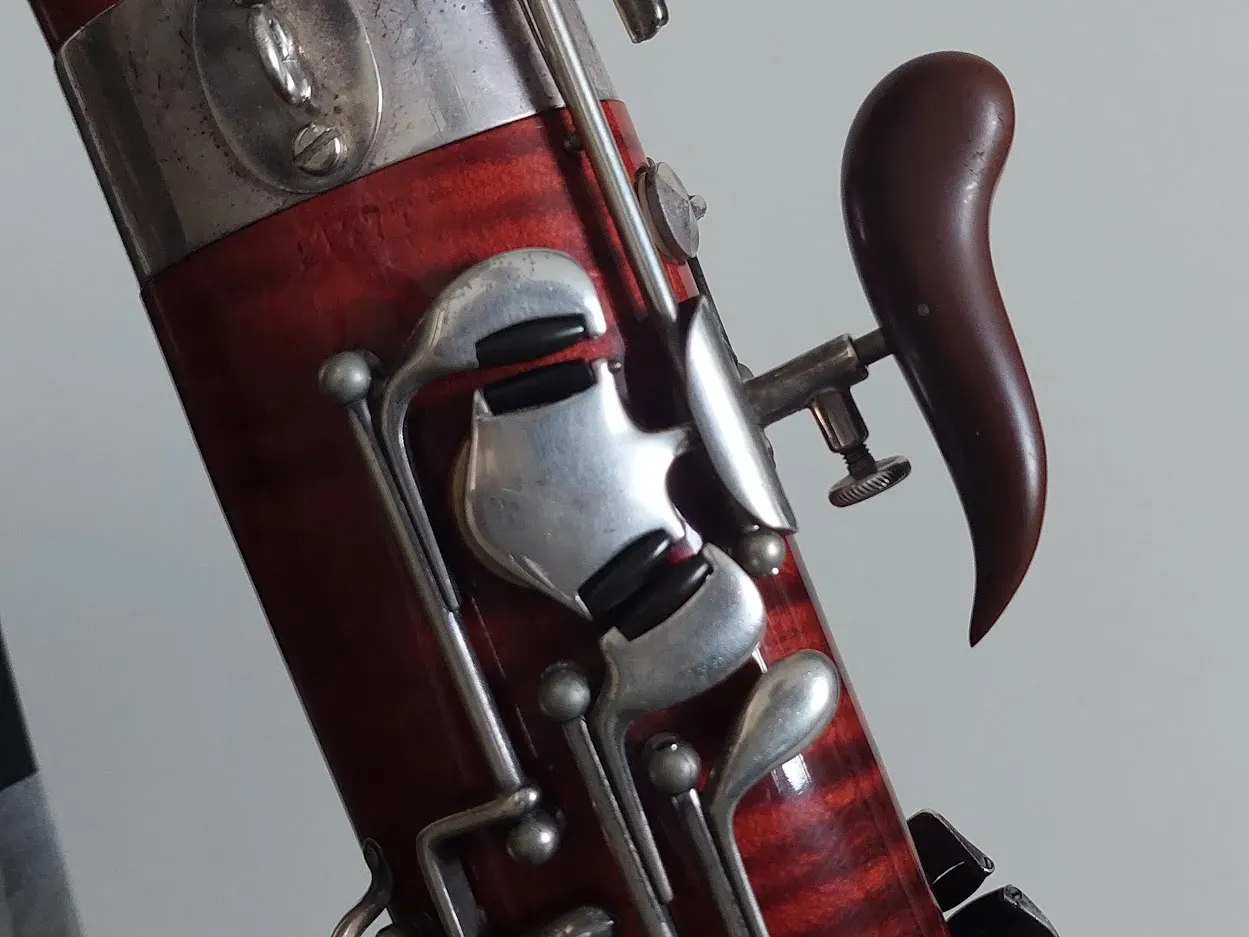
On top of that come techniques specific to the instrument: the whisper key, held down in the low register; the flick keys on the wing joint, which help certain high notes speak cleanly; and half-holing, partly uncovering the left index finger hole. None of this is learnt on day one: it is added gradually, year by year.
Its size
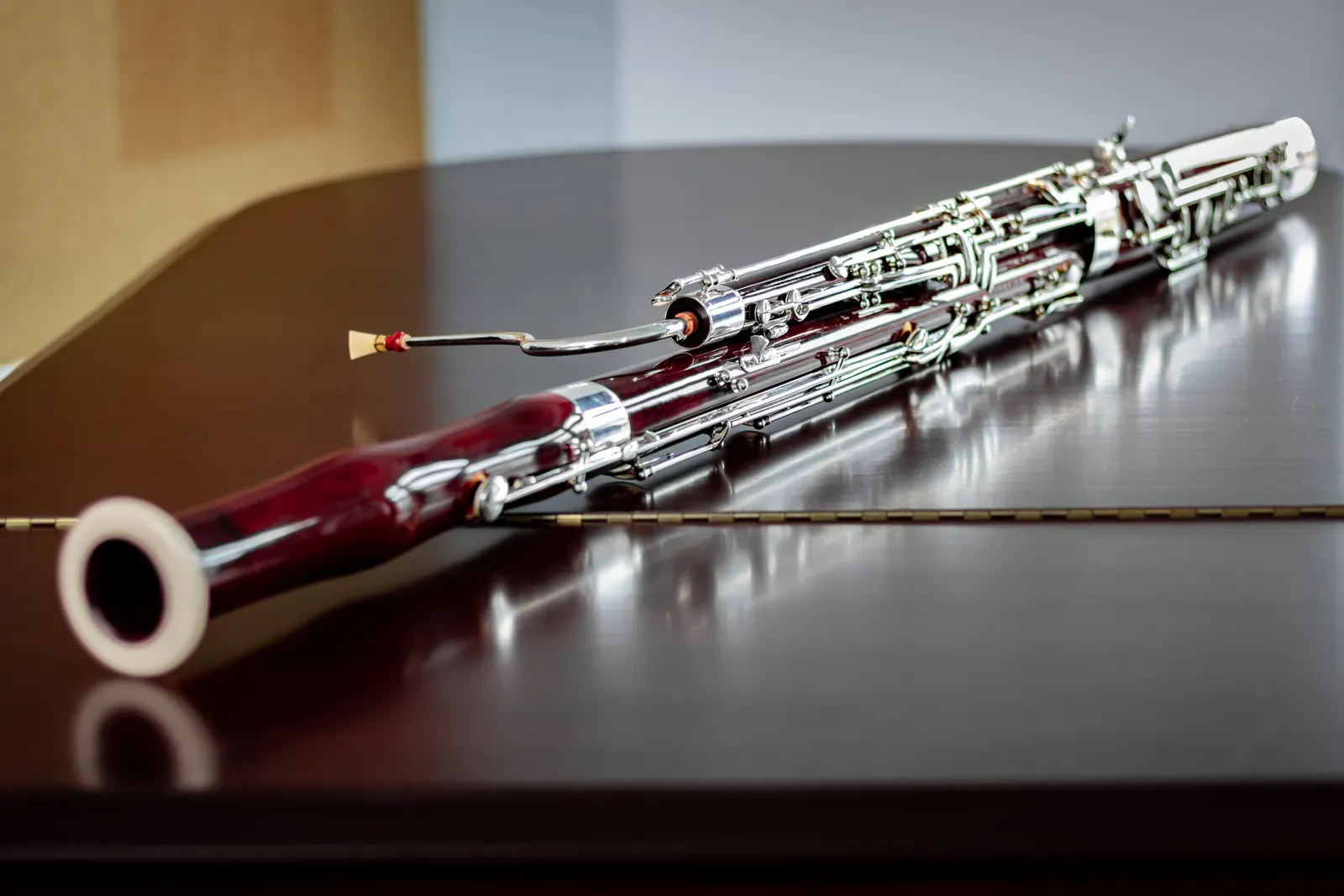
The bassoon stands about 1.35 m tall, and its tube, folded back on itself in a U shape, is between 2.5 and 2.6 m long. It isn’t held up by the hands alone: it rests on a harness or a seat strap, and the distance between the keys calls for a certain hand span.
For young pupils, size is the most limiting factor: not so much the weight as reaching every key comfortably.
What comes more easily at the start
Not every part of the instrument is equally demanding. The most approachable at the start is the middle register: notes in the centre of the range come out relatively easily and make it possible to play simple tunes quite soon. That is why beginner methods start there and gradually extend towards the low and high registers.
What’s more, early repertoire is written for that register. Pieces such as the Ode to Joy, Mozart’s Aria or Evenstar, all at a basic level, let you enjoy the instrument from very early on.
What age can you start?
In Spain, children usually start at 8, when they enter the first year of the elementary level at a music conservatoire: that is the minimum entry age set by the regional education authorities for that year, but the bassoon can be learnt at any age.
To stop size getting in the way in the early years, there are adapted instruments:
- Short-reach bassoons: full-size bassoons with modified keywork to shorten the stretches. Fox, for example, makes the Renard Model 51, which drops some right-hand keys to suit small hands and is designed for beginning students.
- Fagottini or children’s bassoons: smaller, lighter instruments pitched higher than the bassoon. Guntram Wolf, among other makers, offers them in several sizes; its model in F is aimed at children aged 8 to 10, as a step before the full-size bassoon.
Which instrument suits each case depends on the pupil’s hand size and height, and it is usually decided together with the teacher.
How to get off to a good start
A few guidelines that make the first months easier:
- Lessons with a teacher from the start. Embouchure, breathing and posture are far easier to correct at the beginning than once they have settled, and the teacher can adjust the reeds.
- A soft-strength reed. A reed that is too hard makes everything more difficult. It is worth having more than one and, for a spare that doesn’t depend on humidity, the Légère synthetic reed can be a practical option, although its cost means it is not usually recommended for young children.
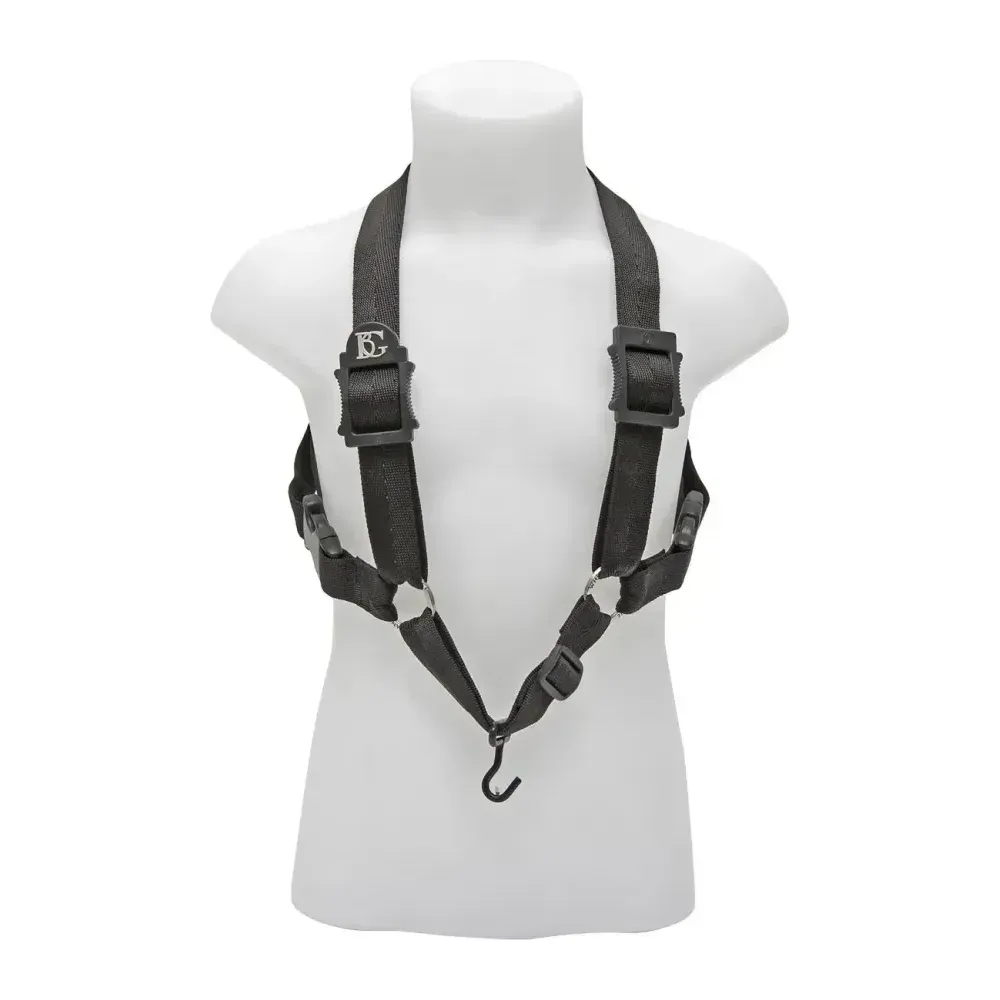
- A harness in the right size. It spreads the weight across the shoulders and back and helps keep a good posture. For younger players there is the children’s harness from the Beginner Pack.
- A method designed for the first year, such as Escalando por el mundo con mi fagot (in Spanish), alongside Aprende tocando el fagot, the Spanish edition of Peter Wastall’s Learn As You Play Bassoon.
- Short, frequent sessions. At first the lips tire quickly: several short sessions through the week usually work better than one long one.
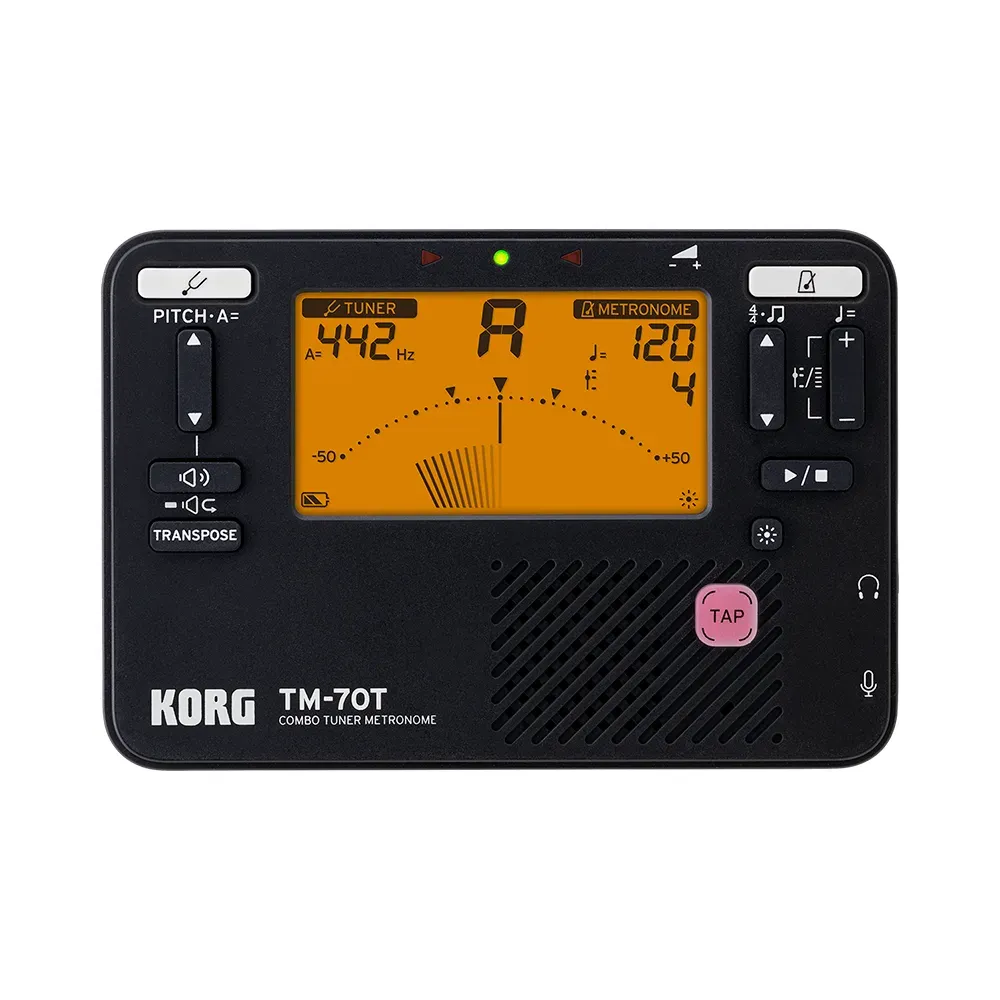
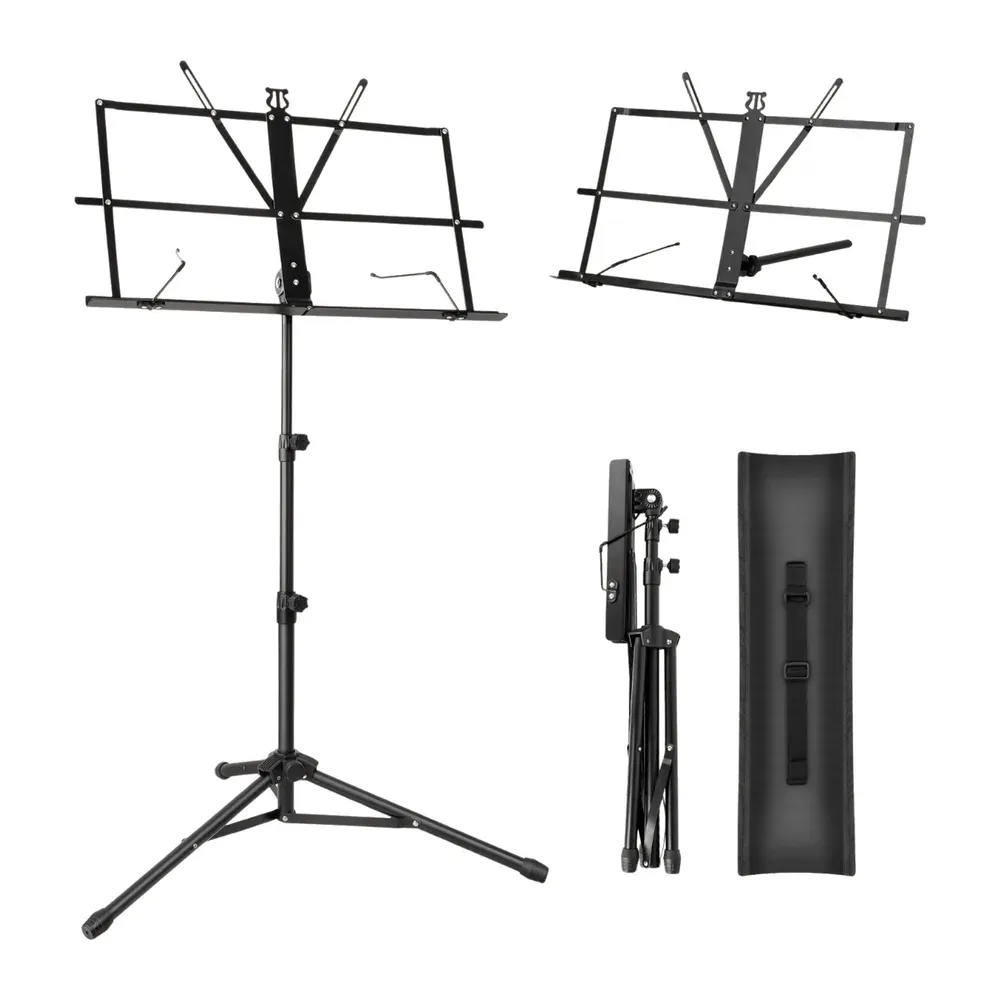
- Tuner, metronome and music stand. A tuner-metronome helps with intonation and steady tempo from day one, and a folding music stand lets you practise at home with the music at eye level.
- Play music you enjoy. Mixing exercises with simple pieces keeps motivation up. The scores section has arrangements at a basic level.
All the beginner essentials are gathered in the shop’s Beginner Pack.
Frequently asked questions
Is the bassoon harder than the oboe or the clarinet?
Not necessarily: each one asks for different things. The bassoon and the oboe share the challenge of the double reed, while the clarinet uses a single reed, which is more stable. On the other hand, the bassoon asks more of the thumbs and needs a wider hand span. Progress usually depends more on the teacher and consistent practice than on the instrument itself.
Do you need big hands?
Not to get started. On a full-size bassoon the hand has to reach the keys comfortably, especially with the thumbs and little fingers; if it can’t yet, short-reach bassoons and fagottini make it possible to start earlier and move to the full instrument once the hand has grown.
Can you learn the bassoon as an adult?
Yes, the bassoon can be learnt at any age. Although children in Spain usually start at 8 at the conservatoire, adults already have the hand size and lung capacity, and tend to progress well with regular lessons and steady practice.
How long does it take to play something simple?
Usually a few months: the middle register makes it possible to play simple tunes quite early on, although it depends on how regularly you practise and how the reed behaves. The low and high notes, and fluency with the thumb keys, come over the following years.
Beginner essentials
Arúnval
Reed (Beginner Pack)
Double reed essential for producing the characteristic sound of the bassoon. Included in the beginner pack for first-level students.
BG
Harness (Beginner Pack)
Harness designed to distribute the weight of the instrument comfortably and evenly. Budget selection recommended for beginner level students.
 Recommended
Korg
Korg TM-70T tuner-metronome
A chromatic tuner and metronome in one device, with reference tones and transposition. Useful for daily practice from the very first year.
New Bee
New Bee 2-in-1 folding music stand
A folding metal music stand that works standing up or, without the tripod, on a table. Light and with a carry bag, for home practice or lessons.
Sources
- Bassoon — Vienna Symphonic Library: dimensions, number of keys and reed.
- Renard Model 51 — Fox Products: short-reach bassoon.
- Wolf Fg4+ Children’s Bassoon — Midwest Musical Imports: children’s bassoon in F.
- Fagot — Conservatorio Profesional de Música Manuel Carra (in Spanish): fagottini and short-reach bassoons.
- Music admissions — Comunidad de Madrid (in Spanish): entry age.
- Bassoon — Wikipedia: fingering techniques (whisper key, flick keys, half-holing).